
Cut vs Shape
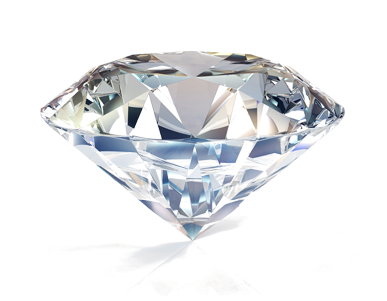
CUT of a diamond pertains both to the shape (round, marquise, princess, etc.), and to the make (how well it is cut for proportion and finish). These are the only factors in diamond grading that are controlled by human hands.
First we will talk about the eight major diamond shapes, your first decision when shopping for a diamond. On the next page we will describe a few details about the make of a diamond.
Diamond Shapes
The first step in choosing a diamond often involves selecting your favorite (or her favorite) shape. The Round Brilliant is by far the most popular shape, and it is the most readily available in every possible quality and size.
Contrary to popular belief and perhaps your experience in most stores, fancy-shaped diamonds (as all non-round diamonds are called) are often less expensive than their round brethren… at the wholesale level.
The Princess Cut is becoming popular because it is both brilliant and unique. The Princess shape actually saves money for a cutter, since it is closest to the octahedral “habit” of rough diamond crystal, the most common formation of diamond in the rough. (The octahedron is like two pyramids base to base.)
Compared to a Round Brilliant Cut, a cutter can retain more of the original crystal when cutting an octahedron into a Princess shape. The square corners of the rough need to be cut away to create a Round, but they are saved when cutting a Princess.
The more he saves of his original rough crystal, the less the cutter loses on his financial investment in the stone, and therefore you pay less as well.
But many shapes can be beautiful if they are cut well, including the Marquise, Oval, Pear, Radiant, Heart, Emerald and other major shapes. But all fancy shapes have an inherent difference in the physics of light. The longer shapes have a slight “bow tie” effect. This means they have a small zone in the center where light leaks out the bottom, creating a darker area in the shape of a bow tie. This is especially true for the Pear, Oval, Marquise, and Heart shapes.
For ideal proportions that maximize brilliance, fire and sparkle, you can’t beat the new Round Brilliant Ideal Cut. The science of cutting a diamond to bring out the full potential of its beauty has developed significantly in the past 10 years. Many diamond cutters now specialize in creating ideal proportions, and such stones have become quite popular. Ideal Cut diamonds command a slight premium because of 1) the extra care and skill needed during cutting, 2) more of the rough is usually cut away, and 3) they are scarce and in high demand.